63 mgCaffeine in 1 oz espresso
95 mgCaffeine in 8 oz coffee
9 barEspresso brew pressure
25–30sEspresso extraction time
Quick answer: Espresso and coffee are made from
the same beans — they differ in how they're brewed. Espresso uses 9 bars of
pressure to force hot water through fine grounds in 25–30 seconds, producing a
concentrated 1 oz shot with crema. Coffee uses gravity to extract more slowly into a
larger, milder 8–12 oz cup. Caffeine surprise: an 8 oz cup of
brewed coffee (95 mg) actually contains more total caffeine than a 1 oz espresso shot
(63 mg) — espresso is more caffeine-dense per ounce, but you drink less of it.
1. Same Bean, Different Drink
The biggest myth in coffee is that espresso is made from a special kind of bean. It
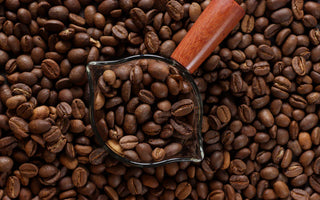
isn't. Espresso beans and coffee beans are the same beans — what
changes is the roast level, the grind size, and most importantly, the brewing method.
Any coffee bean can be turned into espresso, and any espresso-roast bean can be brewed
as drip coffee.
What makes espresso "espresso" is the brewing process: pressurized hot water forced
through tightly packed, finely ground coffee in a tiny window of time. That intense
extraction is why a 1 oz shot tastes more concentrated than an entire 8 oz mug of drip.
2. How Espresso and Coffee Are Brewed
The single biggest difference is pressure. Espresso machines use 9
bars of pressure (roughly 130 PSI) to force water through coffee in seconds. Coffee
brewing methods — drip, pour-over, French press — use gravity or immersion
to extract more slowly.
☕ How Espresso Is Brewed
Very fine
grind · 18–20g dose · 9 bar · 195–205°F ·
25–30 seconds
Output: 1 oz (single) or 2 oz (double) of concentrated coffee with crema on top.
An espresso machine is required — drip makers, French presses, and Moka pots
can't generate the pressure needed for true espresso.
☕ How Regular Coffee Is Brewed
Medium–coarse
grind · 1:15–1:17 ratio · no pressure · 195–205°F
· 3–5 minutes
Output: 8–12 oz of brewed coffee, no crema, lighter body. Common methods:
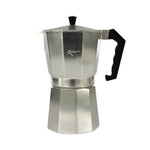
drip maker, pour-over (V60, Chemex), French press, AeroPress, Moka pot, cold brew.
3. Does Espresso Have More Caffeine Than Coffee?
Quick answer: espresso has more caffeine
per ounce, but a standard cup of coffee contains more total caffeine
per serving. Per USDA baseline data, 1 oz of espresso has about 63 mg of caffeine, while
an 8 oz cup of drip coffee has about 95 mg.
| Drink |
Serving |
Caffeine |
Per oz |
| Single Espresso |
1 oz |
63 mg |
63 mg |
| Double Espresso |
2 oz |
126 mg |
63 mg |
| Drip Coffee (small) |
8 oz |
95 mg |
~12 mg |
| Drip Coffee (large) |
16 oz |
~190 mg |
~12 mg |
| Cold Brew |
12 oz |
~207 mg |
~17 mg |
| Latte (double shot) |
12 oz |
126 mg |
~10 mg |
| Cappuccino (double shot) |
6 oz |
126 mg |
~21 mg |
Figures are USDA FoodData Central baselines and
widely cited averages. Exact caffeine varies by bean type (Robusta runs roughly double
the caffeine of Arabica), roast level, and brew time.
4. How They Taste — Flavor and Mouthfeel Differences
Even brewed from the exact same beans, espresso and coffee taste dramatically
different because pressure extraction pulls different compounds than gravity-based
brewing.
Espresso Flavor Profile
- Intense and concentrated
- Syrupy, full-bodied mouthfeel
- Crema on top — golden-brown foam
- Pronounced bitterness balanced by natural sweetness
- Caramelized, chocolatey, nutty notes
Coffee Flavor Profile
- Cleaner, lighter body
- More acidity and brightness
- No crema — clear surface
- Floral, fruity, tea-like notes from pour-over
- Smoother, more drinkable over time
5. Are Espresso Beans Different From Coffee Beans?
No — they're the same beans. "Espresso beans" is a marketing
term for beans roasted darker and packaged with espresso brewing in mind, but any
coffee bean can be brewed as espresso and any espresso-roast bean can be brewed as
drip. What actually changes:
-
Roast level. Espresso traditionally uses medium-dark to dark
roasts for more body and less acidity. Coffee can be any roast, though specialty
cafes often use lighter roasts for drip and pour-over to highlight floral notes.
-
Grind size. Espresso grind is very fine, almost powdery. Drip
coffee grind is medium-coarse. French press is coarsest, like rough sea salt.
-
Freshness. Both work best with beans roasted within the last
2–4 weeks. Pre-ground coffee loses its aromatic oils within hours of grinding.
6. Espresso vs Coffee — Complete Comparison
| Feature |
Espresso |
Regular Coffee |
| Brewing method |
Pressurized (9 bar) |
Gravity or immersion |
| Equipment needed |
Espresso machine |
Drip maker, pour-over, French press |
| Grind size |
Very fine |
Medium to coarse |
| Extraction time |
25–30 seconds |
3–5 minutes |
| Serving size |
1–2 oz |
8–16 oz |
| Caffeine per serving |
63–126 mg |
95–190 mg |
| Calories (black) |
~3 kcal |
~2 kcal |
| Body / mouthfeel |
Syrupy, thick |
Light, clean |
| Crema |
Yes |
No |
| Best for |
Quick hit, milk drinks |
Slow sipping, larger volume |
7. Espresso vs Coffee: Which One Should You Choose?
Neither is "better" — they serve different needs.
☕ Choose Espresso If You…
- Want a quick, concentrated caffeine hit
- Love rich, syrupy mouthfeel and pronounced flavor
- Drink lattes, cappuccinos, or other milk-based drinks
- Prefer minimal liquid volume
- Enjoy the ritual of pulling a shot at home
☕ Choose Regular Coffee If You…
- Like sipping a larger mug over 15–30 minutes
- Prefer cleaner, lighter flavors with bright acidity
- Want more total caffeine per serving
- Aren't ready to invest in an espresso machine
- Enjoy exploring single-origin beans through pour-over
The equipment difference matters too. You can brew great coffee with a simple
pour-over setup or French press. True espresso needs a dedicated espresso machine and a
quality grinder — and the grinder matters just as much as the machine, since even
a capable machine can't compensate for an inconsistent grind. If you're weighing
options, our home
espresso machines and coffee
grinders collections list current models and specs by investment level.
8. Common Espresso vs Coffee Myths, Busted
Myth: Espresso beans are a special type of bean
False. Espresso and coffee are made from the same Arabica and
Robusta beans. "Espresso beans" just means the roast and grind are optimized for
espresso brewing.
Myth: Espresso always has more caffeine than coffee
Partly true. Per ounce, espresso has roughly five times more
caffeine. But because you drink 1–2 oz of espresso versus 8–16 oz of
coffee, a full cup of drip usually has more total caffeine.
Myth: A Moka pot makes real espresso
False. Moka pots brew at roughly 1.5–2 bars of pressure
— nowhere near the 9 bars true espresso needs. They make strong, concentrated
coffee, but no crema and a different flavor profile.
Myth: Dark roast means more caffeine
False — actually the opposite. Roasting burns off some
caffeine, so light roast beans have slightly more caffeine than dark roasts by weight,
though the difference is small.
9. Frequently Asked Questions
Is espresso just strong coffee?
Not exactly. Espresso is a brewing method, not a coffee strength. While it's
more concentrated per ounce, "strong coffee" usually refers to a higher
coffee-to-water ratio in drip or French press brewing. Espresso has a unique
texture (crema) and body that strong drip coffee can't replicate without 9 bars
of pressure.
Does espresso have more caffeine than a cup of coffee?
Per ounce, yes — about 63 mg versus roughly 12 mg per ounce of drip
coffee. But a typical 8 oz cup of coffee contains about 95 mg of total caffeine,
while a single espresso shot has about 63 mg. To match one cup of coffee, you'd
need a double espresso.
Can I make espresso in a regular coffee maker?
No. Drip coffee makers use gravity, not pressure, and can't reach the 9 bars
needed for true espresso. A finer grind will make stronger drip coffee, but it
still won't be espresso — that requires a dedicated espresso machine.
What's the difference between espresso and an Americano?
An Americano is espresso diluted with hot water — typically 1 or 2 shots
plus 4–6 oz of hot water, bringing it to a coffee-sized drink. It tastes
similar to drip coffee but keeps the body and crema character of espresso
extraction, and its caffeine content matches the shots used.
More Common Questions
Is espresso better for weight loss than coffee?
Both are nearly calorie-free when black (roughly 2–3 kcal per serving).
Espresso has slightly fewer calories per serving simply because the volume is
smaller. The real calorie risk comes from added milk, syrups, and sugar —
black espresso or black coffee is essentially calorie-neutral either way.
Which is healthier, espresso or coffee?
They're nutritionally similar. Both contain antioxidants and compounds that
research has linked to a reduced risk of type 2 diabetes and certain liver
conditions. The bigger health difference comes from what you add to the drink, not
the brewing method. Most healthy adults can comfortably stay under the FDA's general
guidance of 400 mg of total caffeine per day — if you're pregnant, breastfeeding,
caffeine-sensitive, or managing a health condition, it's worth checking your own
limit with a doctor.
Is espresso harder on your stomach than coffee?
Often it's easier. Espresso typically uses darker roast beans, which are less
acidic, and is consumed in smaller volumes, placing less total acid load on the
stomach. Drip coffee from light-roast beans can be noticeably more acidic. If coffee
bothers your stomach, espresso, cold brew, or a dark roast drip are all worth trying.
Why does espresso often cost more than coffee at a cafe?
Espresso equipment represents a significant investment for a cafe, and espresso
uses roughly twice the coffee grounds per ounce compared to drip. Combined with
barista training and time per drink, that's usually what's reflected in the price
difference — not the beans themselves, which are typically the same origin.