



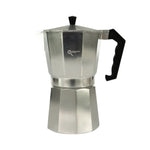

Benchtop box
A freestanding container with a knock bar across the top. Cheapest, simplest, moves anywhere, empties into the bin. The right answer for most home setups.
Barista Guide · Accessories
A knock box is the cheapest thing on your bench and the one that protects the most expensive part of your routine. This guide covers the four formats, how to size one to your volume, what to check before buying, and the technique that keeps grounds off the floor.
Every shot leaves a compacted puck in the basket, and it has to go somewhere. Knocking it into a kitchen bin is how people start, and it fails for three reasons: the puck breaks up and sprays grounds, wet coffee rots and smells within a day, and — most expensively — you end up whacking the portafilter against a hard rim, which bends baskets and damages the handle over time.
A knock box is a padded bar in a container. The bar is the whole point: it is soft enough not to damage the basket rim and rigid enough to release the puck in one hit. Everything else is a question of format and capacity. Browse the knock box, tube and drawer range.
A freestanding container with a knock bar across the top. Cheapest, simplest, moves anywhere, empties into the bin. The right answer for most home setups.
A vertical tube with a padded rim, usually taller and narrower. Takes far less bench width than a box, holds a surprising number of pucks, and suits tight cafe bars.
Built into or under the counter, so the whole thing disappears from the bench. The tidiest option by a distance and the most involved to install.
A hole in the bench with a chute to a bin below. Standard in purpose-built cafe fitouts, where pucks simply vanish and nothing is emptied by hand mid-service.

Benchtop · padded knock bar · compact
A straightforward benchtop box that does the job without taking over the bench. If you are currently knocking pucks into a bin or a sink, this is the upgrade to make first, and it costs less than a bag of beans.
Best for: Home espresso setups of any size.
View & Buy →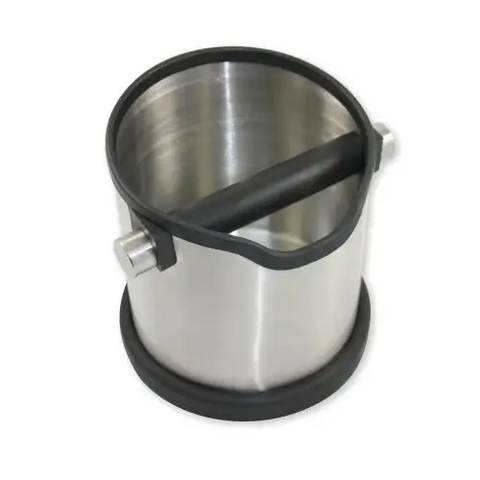
Benchtop · stainless build · removable bar
Heavier construction, more capacity, and a bar designed to be hit hard many times a day. The stainless body wipes clean and does not stain the way plastic eventually does, which matters when the box lives on a bar in view of customers.
Best for: Busy home setups and small cafe bars.
View & Buy →Capacity is measured in pucks before it needs emptying, and the honest question is how often you are willing to walk to the bin.
| Setup | Typical daily pucks | Format that suits | Emptying |
|---|---|---|---|
| Single home user | 2-6 | Small benchtop box | Every day or two |
| Household of coffee drinkers | 6-15 | Larger benchtop box | Daily |
| Office or small bar | 20-60 | Knock tube or drawer | Once or twice a shift |
| Busy cafe | 100+ | Drawer or in-bench chute | Continuous, into a bin below |
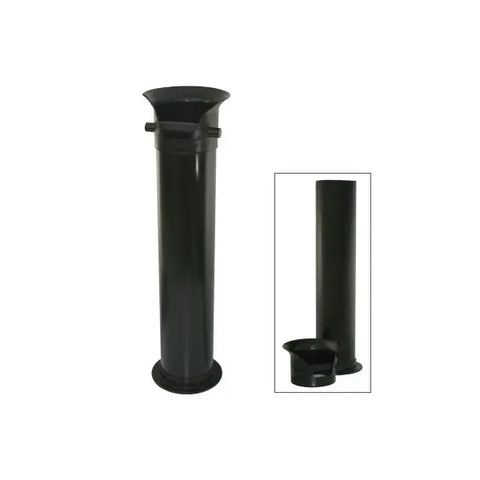
Tube style · tall format · padded rim
A tube trades footprint for height, which is exactly the trade you want on a crowded bar. It holds a full service worth of pucks in the space a small box would occupy, and the padded rim takes the impact without marking baskets.
Best for: Tight bars and any bench where width is the constraint.
View & Buy →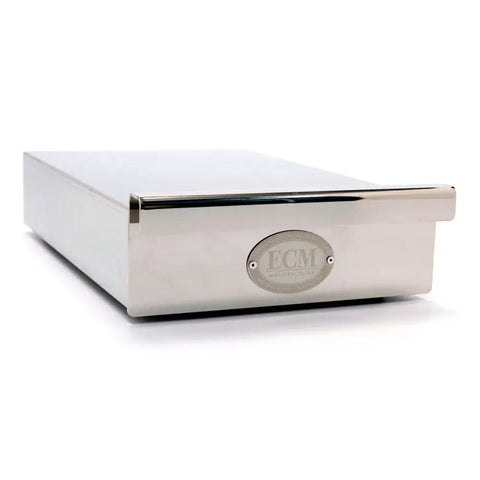
Under-counter drawer · removable insert · built-in format
A drawer moves puck disposal off the bench entirely. The machine sits on top, the drawer sits beneath, and the bench stays clear. It is the option that makes a home setup look like a bar, and the one that needs the most thought about bench height before you buy.
Best for: Permanent setups where the bench is on display.
View & Buy →Knock boxes, tampers, portafilters and scales — we will help you spec the bench in one go.
Shop Knock Boxes Get Expert AdviceKnock once, firmly, with the portafilter angled so the puck falls out in one piece — not repeated light taps, which break the puck up and throw grounds around. Let the handle strike the padded bar, never the container rim.
Empty daily. Wet grounds ferment fast, and a neglected knock box will make an entire kitchen smell before the week is out. Wash the container and the bar with hot water and a little detergent, and let it dry rather than putting it away wet. If you are running a bar, the knock box goes on the same close-down routine as everything else in our cleaning guide.
Spent grounds are worth keeping rather than binning. They are a genuinely good nitrogen-rich addition to a compost heap, and gardeners will take them off your hands by the bucket — a number of cafes leave a tub by the door for exactly that reason.
A knock box gives you a safe place to knock the spent puck out of the portafilter after a shot. The padded bar across it releases the puck in one hit without damaging the basket rim or the handle, which is what happens when people knock against a bin edge or a sink. It also keeps wet grounds contained rather than spread across the bench.
Size by how many shots you pull before you are willing to empty it. A single home user pulling a few shots a day is fine with a small benchtop box emptied every day or two. A household of coffee drinkers wants a larger box emptied daily. Offices and small bars are better served by a tube or drawer, and busy cafes by a drawer or an in-bench chute. Buy one size up from your estimate.
It depends on your bench, not your volume alone. A benchtop box is simplest and moves anywhere. A tube takes far less bench width for the same capacity, which suits tight bars. A drawer sits under the machine and clears the bench entirely but needs the vertical space. An in-bench chute is the cafe fitout answer where pucks drop straight into a bin below.
Compost them. Spent coffee grounds are nitrogen-rich and are a genuinely useful addition to a compost heap or garden bed, and gardeners will often take them by the bucket. Empty the knock box daily either way - wet grounds ferment quickly and a neglected box will make a kitchen smell within a couple of days.